
DeLorean DMC-12: The Shooting Star from the Future

An Unfinished Ambition: History and Design
The DMC-12 was the vision of John DeLorean, a former high-ranking and respected General Motors (GM) executive. His goal was to build an "ethical car": safe, durable and stylish. The company, the DeLorean Motor Company (DMC), was founded in the mid-1970s.
Production began in 1981 in Dunmurry, near Belfast, Northern Ireland, with grants from the British government. The car was revolutionary for its time, featuring bold characteristics:
-
Brushed Stainless Steel Body: The car was not painted, which made the body panels corrosion-resistant and gave them their unique metallic look.
-
Gull-Wing Doors: This spectacular feature is its most recognizable trait.
Unfortunately, the company went bankrupt in 1982 after only 21 months of production and around 9,000 units built. Quality issues, a high sticker price and John DeLorean's legal troubles brought the dream to a premature end.
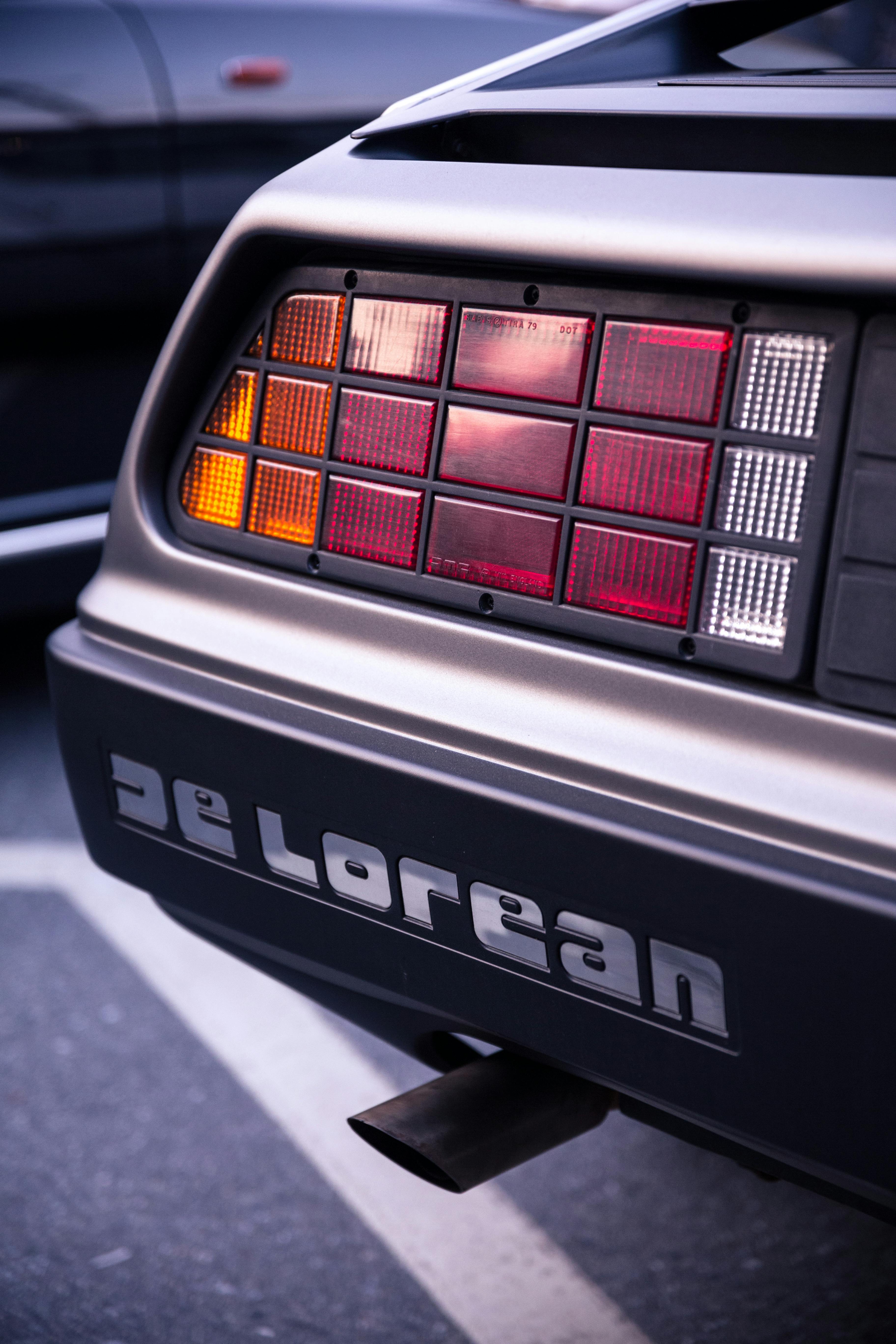
Technical Specifications: The Reality Behind the Myth
Despite its futuristic image, the DeLorean's performance was modest. The car was first and foremost a comfortable GT, but it struggled to compete with contemporary sports cars in terms of raw power.
-
Engine: It was powered by the rear-mounted V6 PRV (Peugeot-Renault-Volvo) 2.85-liter engine.
-
Power: This engine produced around 130 horsepower (hp) in the US market. That figure was considered insufficient for a car of its price and looks.
-
Chassis: Designed by Colin Chapman (the founder of Lotus), the chassis incorporated fiberglass elements beneath the stainless steel body.
-
Acceleration: 0 to 100 km/h (0-60 mph) took more than 10 seconds, far from the standards of 1980s supercars.
It was this gap between the bold design and the moderate performance that contributed to its initial commercial failure.
Cultural Influence: Immortality Thanks to Hollywood
The DeLorean story could have ended there, but the movies decided otherwise. In 1985, the release of "Back to the Future" (Back to the Future) catapulted the DMC-12 to the height of fame.
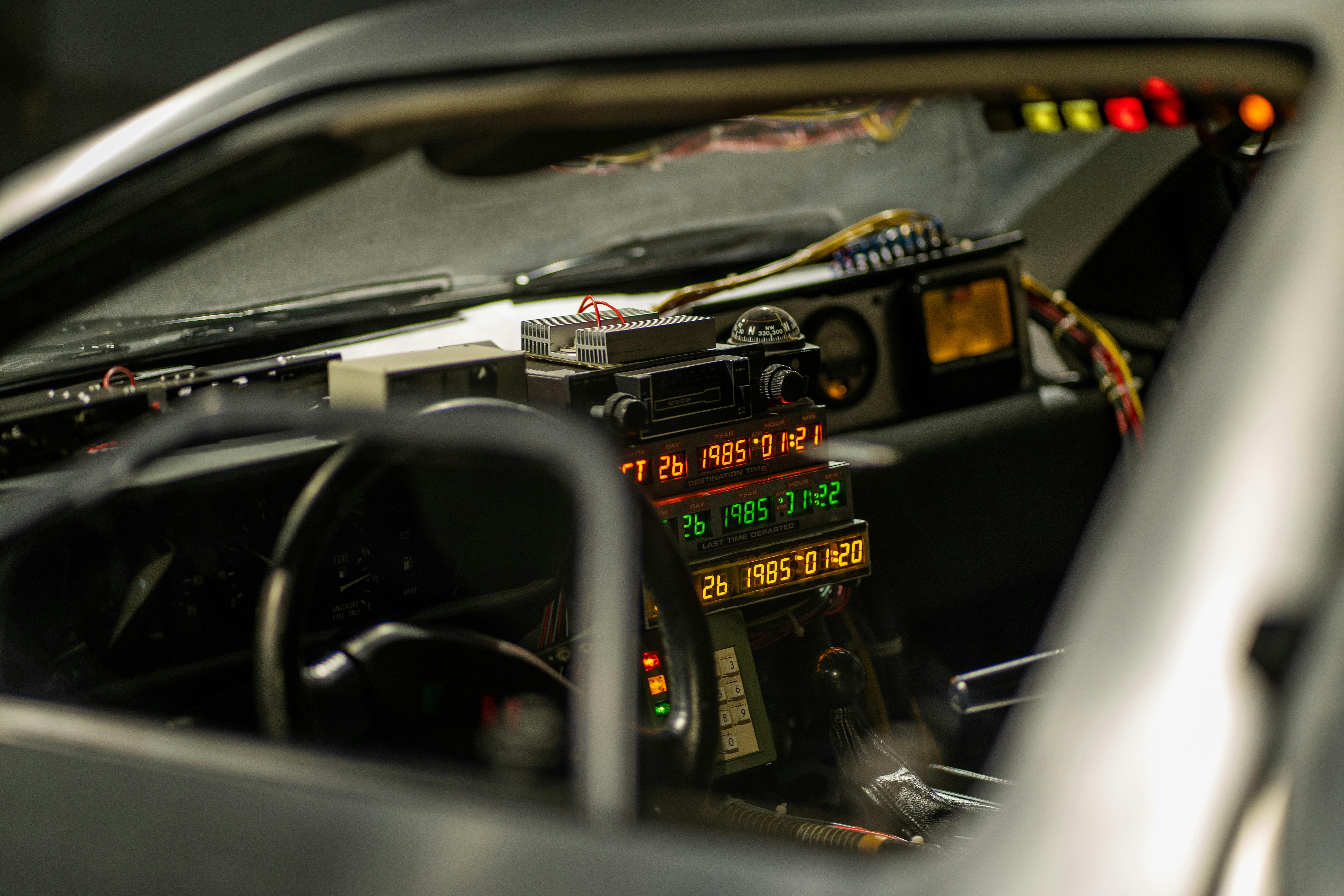
In the film, the DeLorean is not just a car: it is the time machine, modified by Doc Emmett Brown.
-
The Iconic Concept: For the machine to work, the car had to reach exactly 88 miles per hour (about 142 km/h), a speed well known to fans of the trilogy.
-
The Flux Capacitor: The "Flux Capacitor", Doc Brown's central invention, became an instantly recognizable symbol, associated exclusively with the DMC-12.
The film gave the DeLorean a second, posthumous and glorious life. Today, a DMC-12 is no longer seen as just another 1980s car, but as a time capsule ready to tear through the space-time continuum. The legend has completely eclipsed the reality of the product.
A Myth Still Alive
Although the original DeLorean Motor Company is gone, a new Texas-based entity continues to supply parts, provide servicing and even sell new cars built from the original parts inventory.
Thanks to its dramatic gull-wing doors, its timeless body and, above all, its central role in the most popular sci-fi saga of the 1980s, the DMC-12 went from industrial failure to an absolute icon of automotive and film history.
Today, despite its failure at the time, the DMC-12 commands a value well above €50,000. A collector's piece for any movie buff.
Share this content