
Tuning Your Golf MK7 R: The First 5 Modifications to Make

The Volkswagen Golf MK7 R is an outstanding platform for performance tuning. Powered by the EA888 2.0 TSI engine in 300 hp form (310 hp on the Facelift), with 4Motion all-wheel drive and either the DSG7 or a 6-speed manual, it offers considerable tuning potential on a reliable, well-documented base. But where do you start?
Why modify your Golf MK7 R?
The Golf MK7 R leaves the factory with headroom that Volkswagen deliberately held back. The EA888 engine can deliver far more than its stock 300 hp, and both the DSG transmission and the chassis can be optimized for much more dynamic behavior. The modifications covered here stay within reason: a tangible performance gain, preserved reliability and a controlled budget.
Modification #1: ECU tuning (Stage 1)
The essential starting point
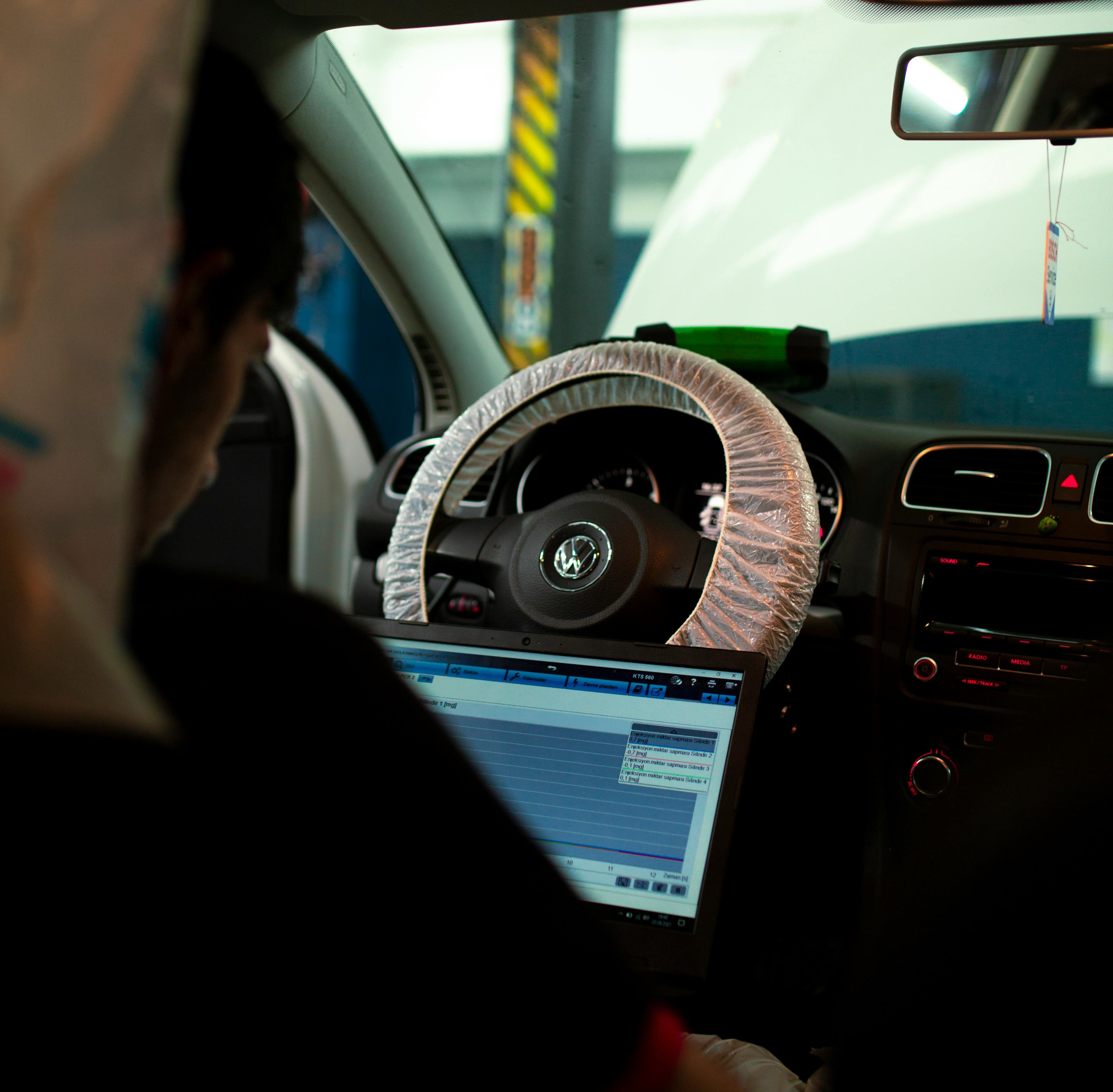
ECU tuning is without a doubt the first modification to consider on a Golf MK7 R. It involves modifying the engine control unit (ECU) parameters to optimize the fuel injection, ignition, turbo control and boost maps.
At Stage 1 (no prior mechanical modifications, 98 octane fuel only), you can expect to reach around 360 to 380 hp and 440 to 470 Nm depending on the tuner. That is a gain of 60 to 80 hp for a relatively modest investment.
What it actually changes
- Noticeably improved straight-line acceleration
- Better throttle response (flat spot eliminated)
- More torque available at low rpm
- Transformed passing power uphill or on the highway
Recommended tuners
For the Golf MK7 R, the most highly regarded ECU maps come from APR, RacingLine (formerly Revo), 034 Motorsport and Dynaparts. Each tuner has its own strengths: APR is known for its aggressive, turnkey approach, RacingLine for its balance between performance and reliability, and 034 Motorsport for its track-oriented maps.
If the car is fitted with the DSG7, also consider transmission tuning at the same time: shifts become quicker and crisper.
Modification #2: Air filter or intake upgrade
Feeding the engine fresh air
The factory filter is designed to keep intake noise down and meet noise regulations. Once you are after performance, replacing it is a priority. There are two levels:
Option 1: High-performance replacement filter
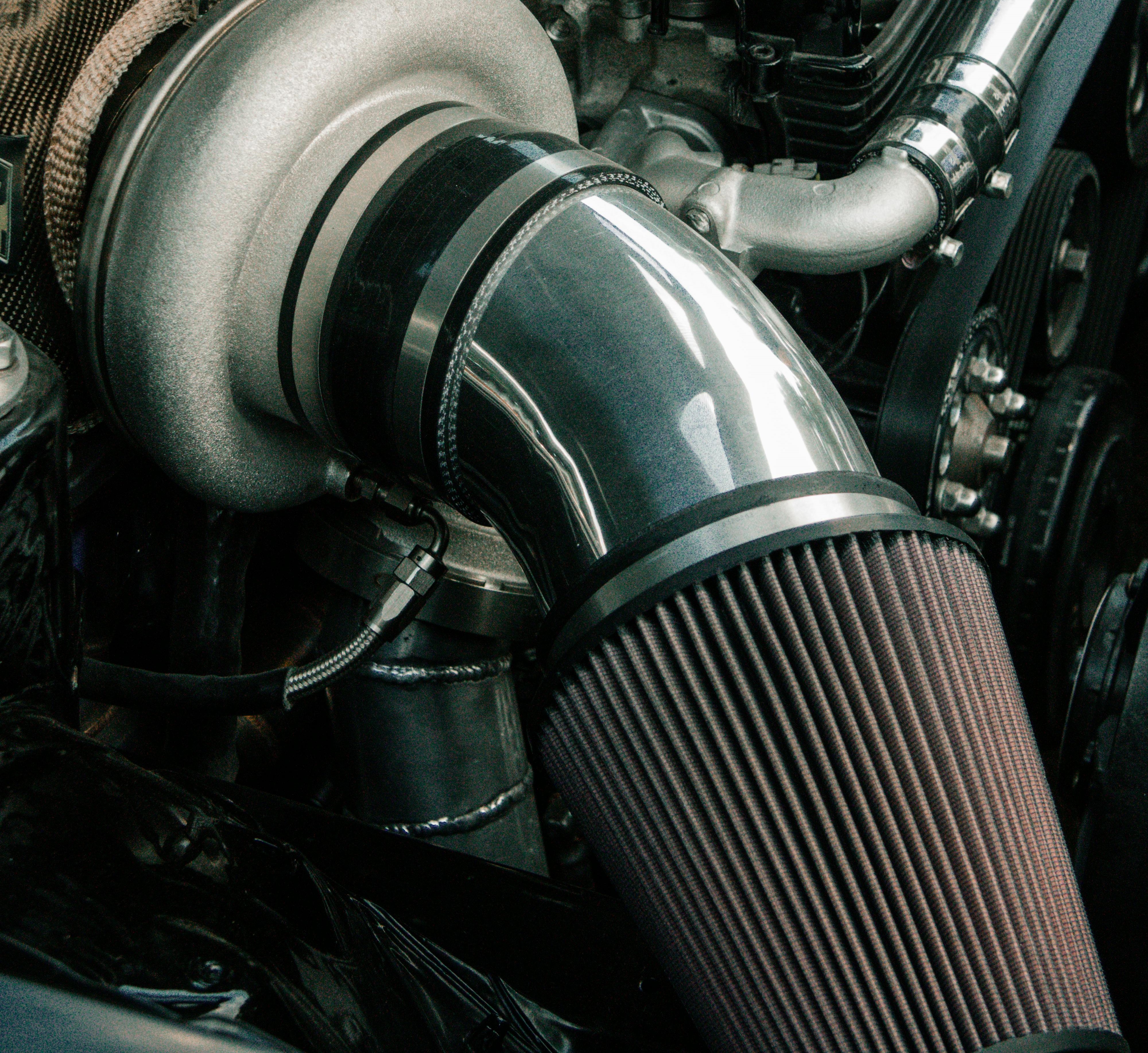
It installs in place of the factory filter, inside the stock airbox. Brands such as BMC, RacingLine or Dynaparts offer washable, reusable filters that improve airflow at low cost. An affordable solution, ideal for Stage 1 on its own.
Option 2: Sport intake kit
It completely replaces the airbox and air duct with an open or semi-open system. Leading brands: RacingLine, CTS Turbo, 034 Motorsport. The sound difference is noticeable (more pronounced intake sound), and the improved airflow paves the way for Stage 2. Note: on a car running Stage 1 only, the power gain is marginal compared with a simple replacement filter. It is mainly a prerequisite for the next steps.
Modification #3: Performance intercooler
Keeping the engine cool to maintain power
The factory intercooler (air-to-air) on the Golf MK7 R is sized for the stock 300 hp. As soon as the engine is tuned, intake air temperatures rise, especially under hard use or in hot weather. The result: the ECU automatically reduces performance to protect the engine (known as "heat soak").
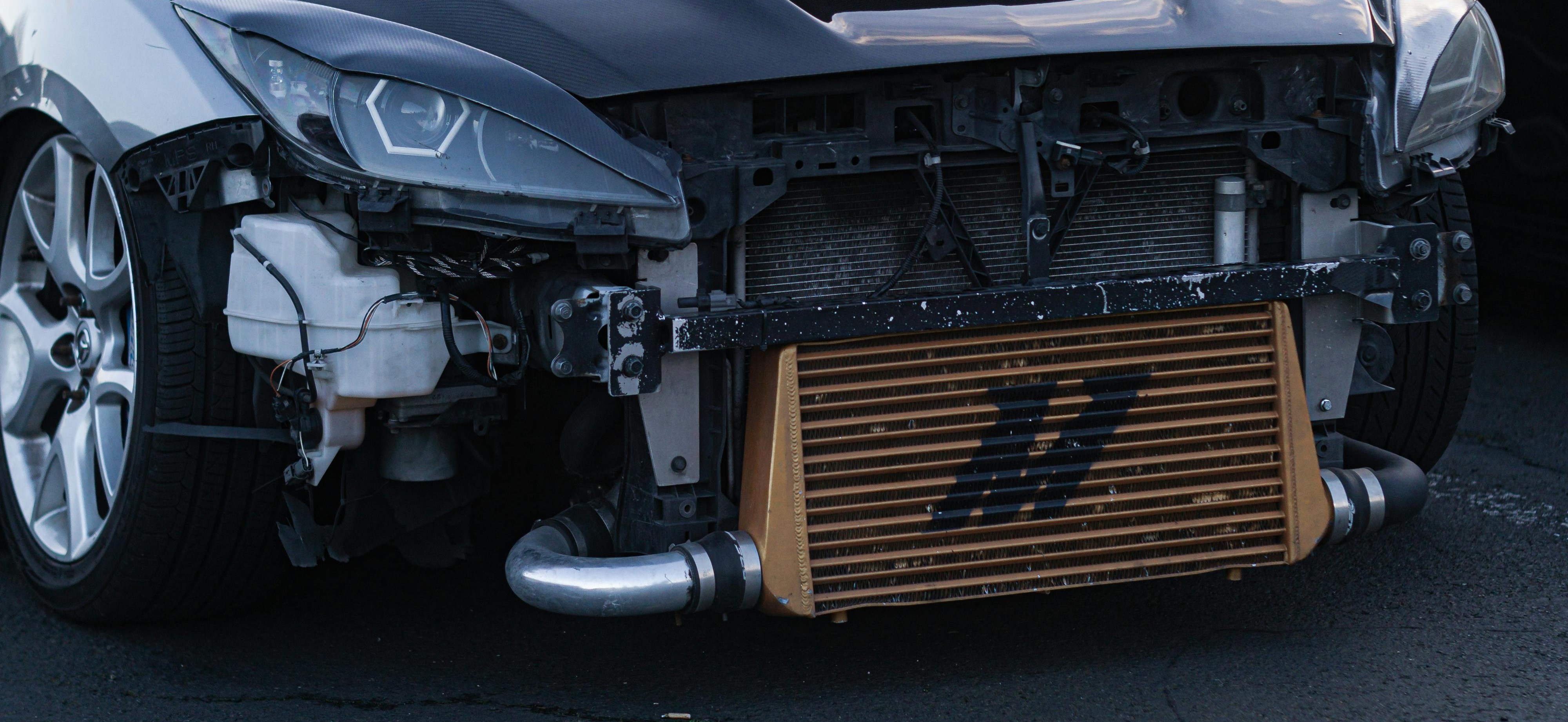
A performance intercooler solves this problem by offering a much larger heat exchange surface. Brands such as Wagner Tuning, Forge Motorsport, CTS Turbo offer front-mount or top-mount intercoolers that keep intake air temperatures stable, even after several consecutive pulls.
When should you plan for it?
An intercooler is especially recommended from Stage 2 onward, but it is very useful even at Stage 1 if you take the car to the track or drive it in summer. It is an investment that keeps performance consistent over time.
Modification #4: Suspension, coilovers or lowering springs
Improving handling and stance
The Golf MK7 R comes standard with progressive suspension, already well calibrated for spirited road driving. But if you want to go further, you have two options:
Lowering springs
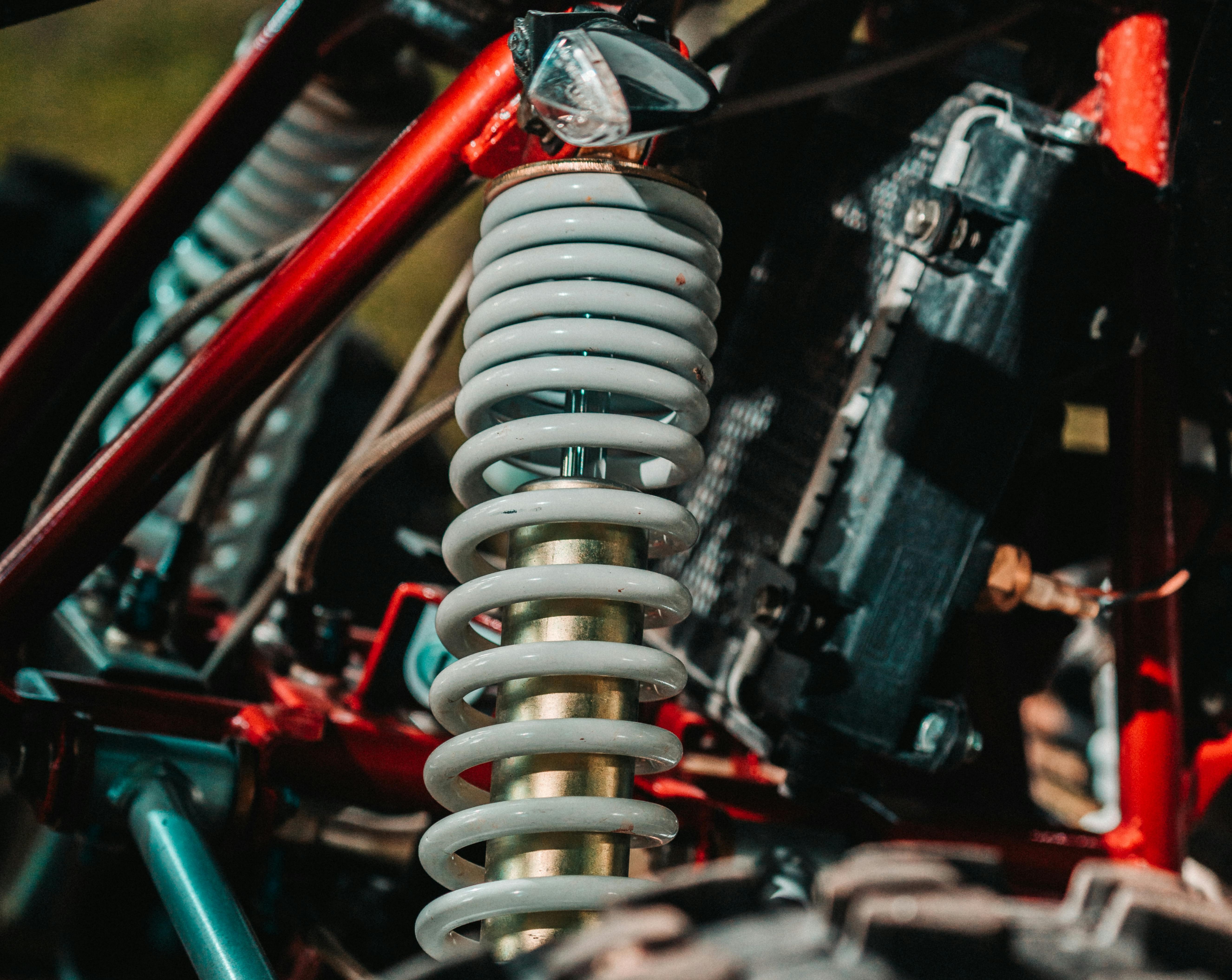
The most affordable solution. Eibach Pro-Kit, Dynaparts or H&R lowering springs lower the car by 15 to 30 mm without sacrificing comfort. The ride height is lowered, and so is the center of gravity. Handling is more precise and sharper in corners.
Coilovers
The most complete solution. Bilstein B16, Eibach Pro-Street-S or ST Suspensions coilovers let you adjust ride height and damper stiffness separately. Ideal for finding the right balance between daily comfort and dynamic performance on track.
On a Golf MK7 R with DCC (adaptive damping), make sure your kit is compatible with this system before purchasing.
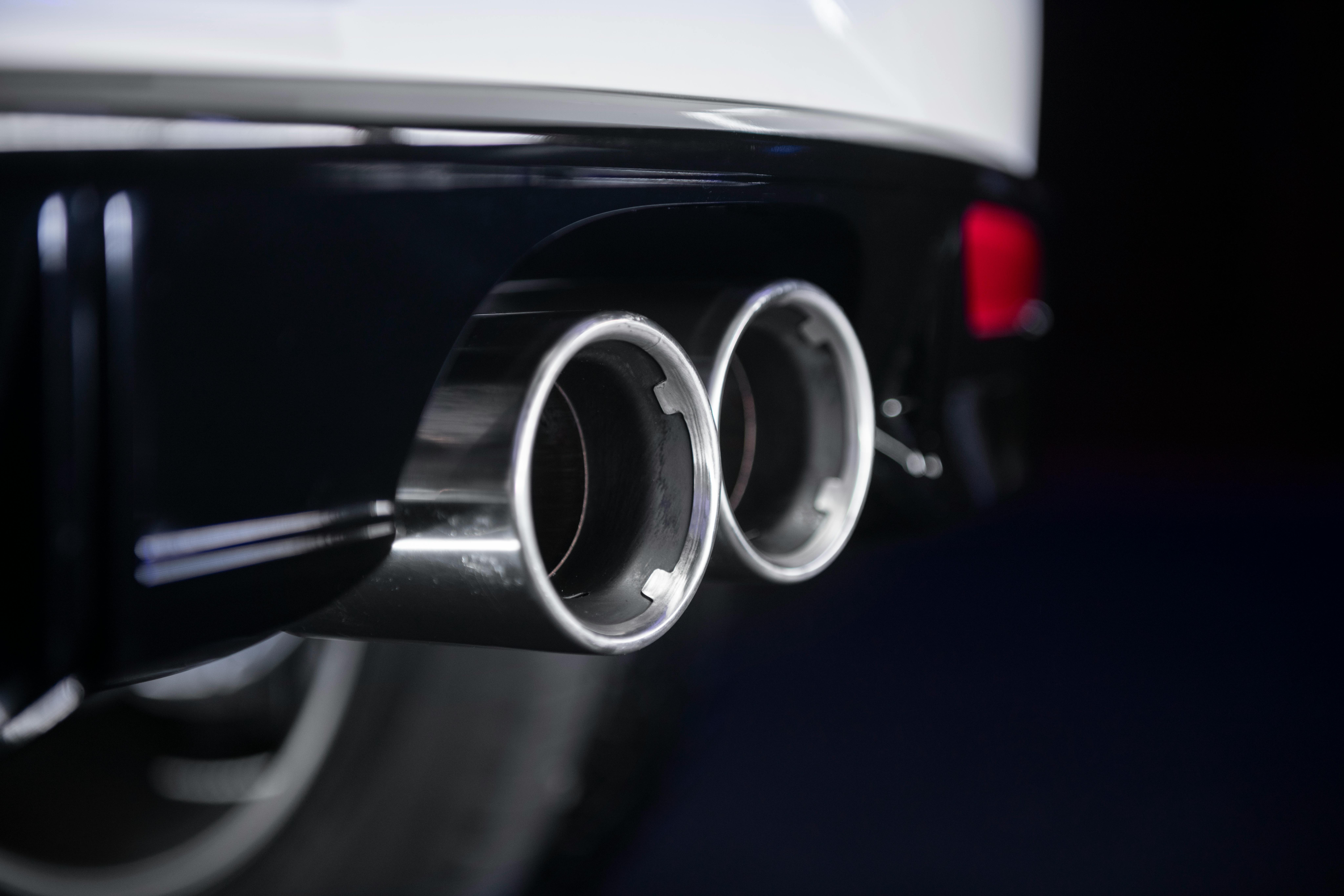
Modification #5: Sport exhaust
Freeing up exhaust flow and improving the sound
The factory exhaust on the Golf MK7 R is fairly muted, partly to meet European noise regulations. A sport exhaust system improves several aspects:
- Sound: richer and more present, without being aggressive in daily use
- Weight: a quality stainless steel system is often lighter than stock
- Exhaust flow: less backpressure, freeing up the few horsepower held back by the stock exhaust
Top choices for the Golf MK7 R
Milltek Sport is the British benchmark, with cat-back systems available in resonated (more subdued) or non-resonated (sportier) versions. Scorpion Exhausts and Ragazzon also offer excellent alternatives with high-quality finishes.
To go further, a sport downpipe (the pipe running down from the turbo), with or without a replacement catalytic converter, can be considered as part of a Stage 2 build.
Summary: priority order and estimated budget
| Order | Modification | Approximate budget | Estimated gain |
|---|---|---|---|
| 1 | Stage 1 ECU tuning | €500 to €800 | +60 to +80 hp |
| 2 | Sport air filter/intake | €80 to €400 | Airflow + sound |
| 3 | Performance intercooler | €400 to €800 | Consistent performance |
| 4 | Suspension (springs or coilovers) | €300 to €1,200 | Handling + stance |
| 5 | Sport exhaust (cat-back) | €600 to €1,500 | Sound + a few hp |
Conclusion
The Golf MK7 R is one of the best platforms on the market for performance tuning. These 5 modifications form a coherent package that can turn your car into a true 360+ hp performance car for a total budget of around €2,000 to €4,500, depending on your choice of brands and the quality of the components selected.
The recommended order remains: ECU tuning first, hardware second. There is no point investing in an intercooler or intake before you have an ECU map that takes advantage of them. And if you are unsure about brands or whether parts fit your specific version (Pre-Facelift, Facelift, DSG or manual), feel free to contact our team: we are here to help you build your project.
Photo by Ertuğrul Tohma: https://www.pexels.com/photo/red-volkswagen-golf-gti-parked-outdoors-28447306/
Photo by Fatih Erden: https://www.pexels.com/photo/person-using-a-laptop-while-sitting-on-a-driver-s-seat-10490631/
Photo by Giona Mason: https://www.pexels.com/photo/view-of-an-engine-bay-of-a-car-18180571/
Photo by chickenbunny: https://www.pexels.com/photo/black-cars-parked-on-the-road-14267360/
Photo by Jan Kopřiva: https://www.pexels.com/photo/close-up-of-the-coil-spring-and-shock-absorber-on-an-atv-5542145/
Photo by Rahul Soni: https://www.pexels.com/photo/close-up-shot-of-a-car-muffler-10827691/
Share this content